
Published May 26, 2026
The Vintage Home Reality: What to Inspect Before Buying a Century-Old Property in the Northern Suburbs

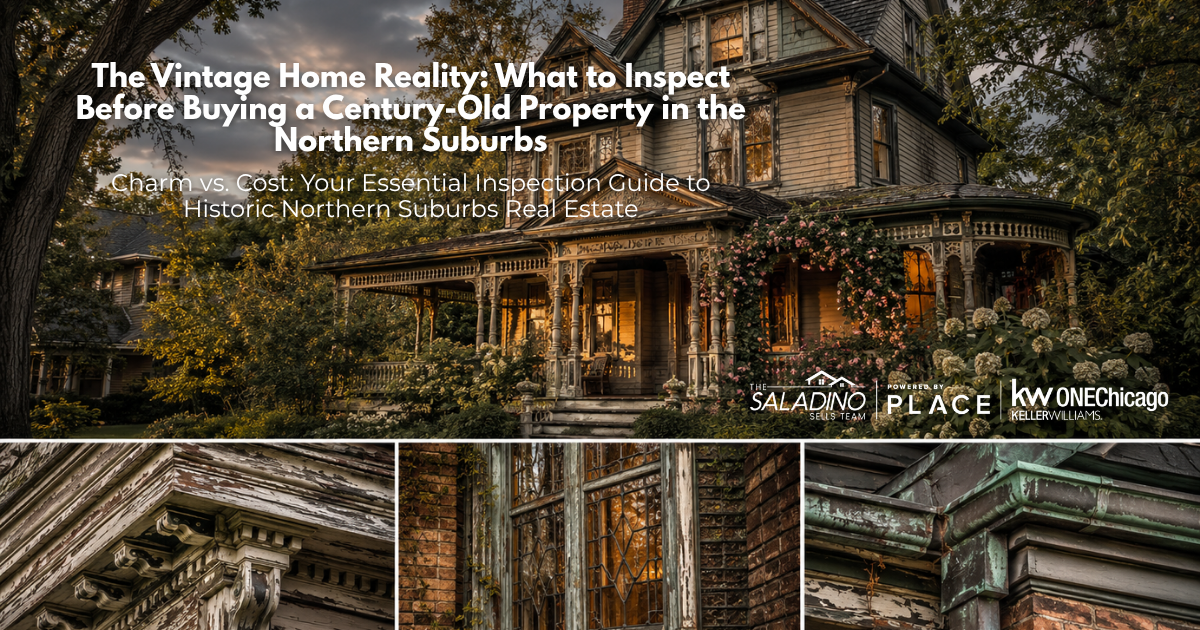
Charm vs. Cost: Your Essential Inspection Guide to Historic Northern Suburbs Real Estate
There is something undeniable about the charm of a century-old home in the Northern Suburbs. From the hand-crafted crown molding and original hardwood floors to the deep-rooted history embedded in every brick, vintage properties have a soul that modern builds simply cannot replicate.
But historic charm often comes with historic challenges.
When you buy a home built in the 1920s or earlier, you aren’t just buying a piece of history—you’re inheriting generations of architectural evolution, DIY fixes, and natural wear and tear. To ensure your dream vintage home doesn't turn into a financial nightmare, The Saladino Sells Team has put together the ultimate inspection checklist before you sign on the dotted line.
1. The Foundation: Is the Charm Rock-Solid?
Modern homes rely on poured concrete foundations, but a century-old property in the Northern Suburbs might feature a stone, brick, or cinder block foundation. Over 100 years, soil shifts and moisture can take a heavy toll.- What to look for: Look for bowing walls, major horizontal cracks, or crumbling mortar between stones.
- The Vintage Reality: Minor settling is normal for an older home, but shifting that compromises structural integrity can cost tens of thousands of dollars to remediate.
2. Past the Plaster: Outdated Plumbing & Electrical
What’s happening behind those beautiful lath-and-plaster walls is often the biggest financial wild card in a vintage home.Electrical Hazards
Many homes built a century ago originally used knob-and-tube wiring. If any of this remains active, it poses a major fire hazard and will make securing homeowners insurance incredibly difficult. You’ll also want to check for ungrounded outlets and an outdated electrical panel (look out for old Federal Pacific or Zinsco panels).Plumbing Nightmares
Lead and galvanized iron pipes were the standards of yesteryear. Over time, galvanized pipes corrode from the inside out, severely restricting water pressure and eventually leaking.Pro Tip: Always order a main sewer scope inspection. Tree roots are notorious for invading and collapsing ancient clay sewer lines running from the house to the municipal street connection.
3. Hazardous Materials: Lead and Asbestos
If a home was built before 1978, it’s highly likely that lead-based paint was used at some point. Furthermore, asbestos was a darling of the construction industry for decades due to its insulating properties.- Where Asbestos Hides: Around old steam pipes, wrapped around ductwork, in vinyl floor tiles, and in textured ceilings.
- The Verdict: Asbestos and lead paint aren't necessarily dealbreakers if they are undisturbed and encapsulated. However, if you plan on remodeling immediately, remediation must be handled by certified professionals, which adds to your renovation budget.
4. Roofing, Flashing, and Architectural Intricacies
The complex rooflines, turrets, and dormers that give Northern Suburbs vintage homes their distinct character also create more opportunities for water intrusion.- The Lifespan Factor: While traditional slate or clay tile roofs can last over a century, they require specialized (and expensive) craftsmen to repair. If the roof has been replaced with asphalt shingles, check how many layers are currently installed.
- Historical Restrictions: Keep in mind that if the property sits in a designated historic district, local guidelines may dictate the exact, historically accurate materials you must use for exterior repairs.
Vintage Home Inspection Checklist at a Glance
| Component | Common Vintage Issue | Estimated Severity |
| Wiring | Knob-and-tube, ungrounded outlets | High (Fire & Insurance Risk) |
| Plumbing | Galvanized pipes, clay sewer lines | High (Leaking & Blockages) |
| Foundation | Crumbling mortar, shifting stone | Medium to High (Structural) |
| Windows | Painted-shut, single-pane wood | Low to Medium (Efficiency) |
| Insulation | Missing completely or contains asbestos | Medium (Utility Cost/Safety) |
The Verdict: Should You Buy It?
Absolutely—if you go in with your eyes wide open. Buying a century-old home is a labor of love. The key to a successful purchase is separating cosmetic fixes from structural catastrophes.By hiring a home inspector who specializes in historic properties, you can negotiate the price accordingly or ask the sellers to address critical safety issues before closing.
Partner with Northern Suburbs Experts
Navigating the nuances of historic real estate requires an experienced hand. At The Saladino Sells Team, we know exactly what to look for, how to negotiate vintage property contracts, and how to connect you with the right local historic preservation experts.Ready to find your perfect piece of history in the Northern Suburbs? Contact The Saladino Sells Team today to start your home buying journey with confidence.

Michael Saladino
Managing Broker | Saladino Sells Team | Keller Williams ONEChicago | PLACE
or another way